
One-Stop Procurement Guide for Hotel Soft Furnishings in Central Asia
New hotels are popping up all over Central Asia these years. From Astana and Almaty to Tashkent and Samarkand, new projects keep rolling out, and global hotel brands are rushing in too. Take Tashkent for example — a DoubleTree by Hilton hotel just opened there.
Per UzDaily’s report DoubleTree by Hilton Hotel Opens in Tashkent, this launch shows international hotel chains are speeding up their expansion into Central Asia.
This hotel boom is backed by a much bigger economic trend. In 2025, trade between China and Central Asian countries hit over $100 billion for the very first time. It’s gone up five years in a row, and China became each Central Asian nation’s top trade partner for the first time ever.
This data comes from PwC’s 2026 report Trade and Investment Overview of Five Central Asian Countries. The document also notes the 2025 Astana Declaration from the Second China-Central Asia Summit laid out six key areas for cooperation.
For suppliers of hotel soft furnishings, this shift changes everything. Sourcing hotel decor products from China is no longer a question of “can we do it?” — now the real focus is “how to do it without running into problems.”
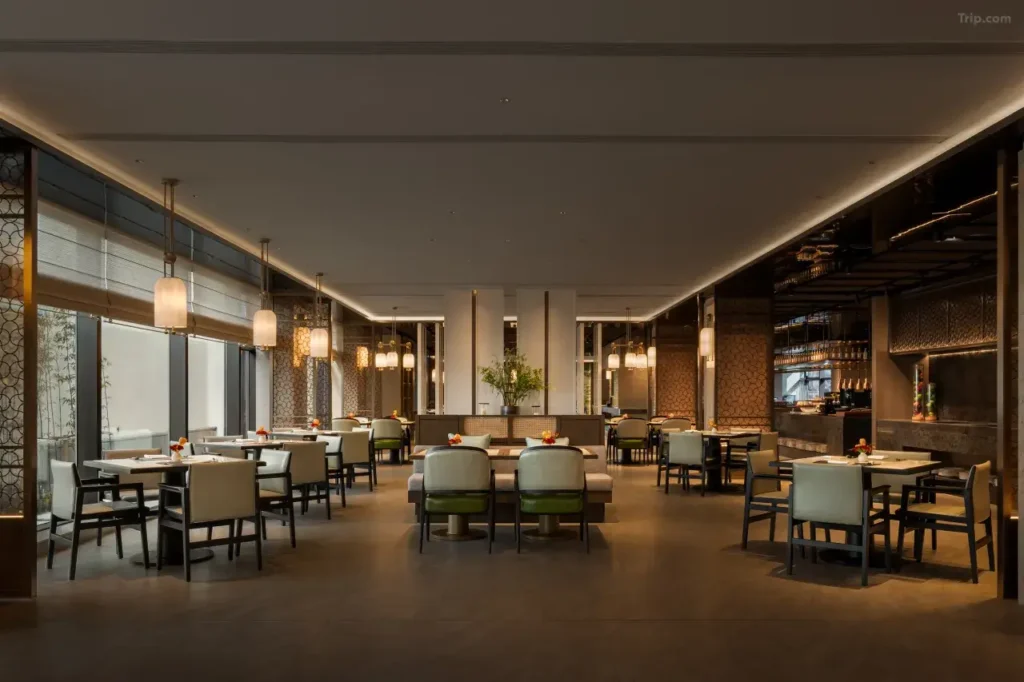
The real challenge is never finding suppliers.
We can easily get factories in China for curtains, linens, carpets, loose furniture, lights and wall art. The hard part is getting all these items ready for one single hotel project. They have to match the same design drawings, meet the same opening schedule and fit on-site construction work.
A new hotel with 120 rooms usually has over 200 types of soft furnishing goods, made by more than a dozen different factories. Getting all these goods well organized for one project is the toughest work.
This article tells you exactly how to move forward after you decide to buy all hotel soft furnishings from China in one go.
If you are still unsure about one-stop purchasing, you can first check the comparison between separate buying and one-stop buying. Here we mainly talk about practical steps for centralized purchasing.
What a real one-stop supplier actually does is turn design files into official project documents.
Many clients think one-stop service just means middlemen raising prices. This worry is reasonable. Some suppliers simply put together quotes from different factories and charge extra service fees.
But reliable one-stop suppliers don’t just combine price lists. Their core job is to convert your design materials and buying needs into complete documents for quoting, sample making, mass production, customs clearance and delivery.
First, sort out all detailed lists. After getting BOQ, floor plans, renderings and room quantities, they double-check all areas, product types, sizes, amounts and missing items. For example, confirm if guest room curtains include sheer curtains and tracks, if bed sets have mattress protectors and bed runners, and whether carpets are counted separately for guest rooms, corridors and lobbies.
Next, coordinate all samples. Curtains, bedding, carpets, furniture, lights and decorations need to match the whole space style. All fabric samples, color cards, material pieces, single products and display rooms must follow the same confirmed standard, instead of being made separately.
Last, handle full delivery support. This includes production scheduling, goods inspection, fire resistance and environmental tests, EAC certification, packing, labeling, container loading and shipping papers. These work seem trivial, yet they are the most common problems holding up projects after goods arrive on site.
The real value of a one-stop supplier lies in these unnoticed detailed services.
Split your purchasing list first by areas, then break down each item in detail.
When making hotel soft furnishing lists, start with different areas instead of listing all goods directly. Construction goes space by space, so a plain product list will easily cause mismatches and mess things up.
- Guest rooms: curtains, sheer curtains, bedding sets, bed runners, throw pillows, carpets, lounge chairs, lights, wall paintings
- Corridors: carpets, wall decorations, lamps, guiding ornaments
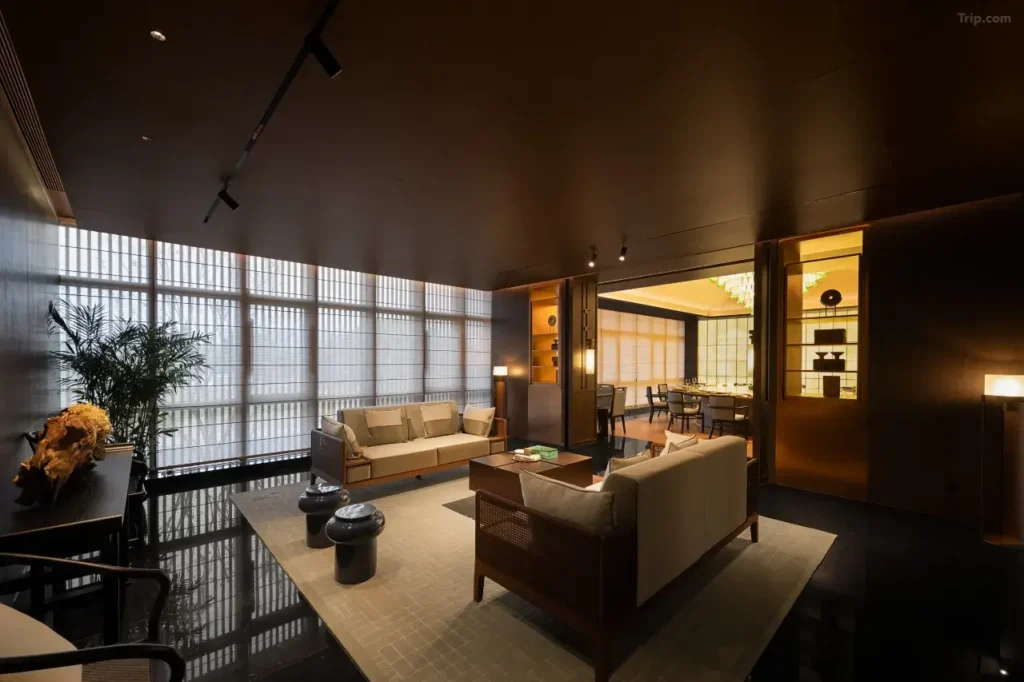
- Lobby: sofas, single chairs, tea tables, carpets, flower decorations, art ornaments, decorative lights
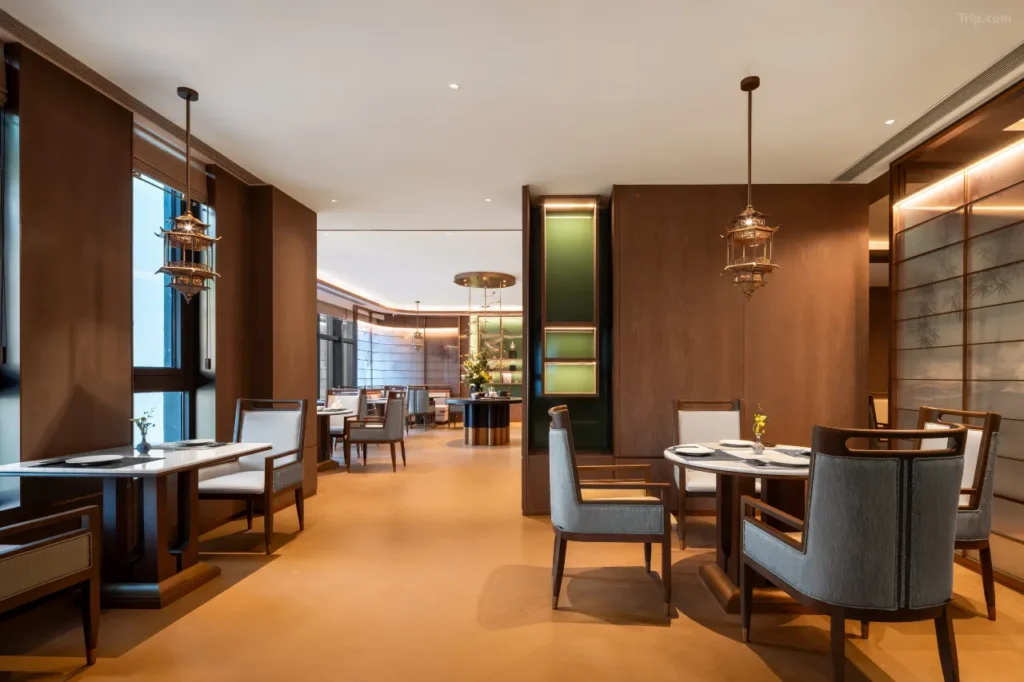
- Dining areas: tablecloths, curtains, soft wall panels, movable furniture, lamps, wall art
- Banquet halls & meeting rooms: carpets, curtains, movable furniture, soft packages, fabric decorations
Splitting by areas is not enough. You also need to detail every single product.
Do not just write “curtain” for guest room windows. It usually includes sheer fabric, blackout fabric, tracks, motors, hooks and all installation parts. A vague name will lead to different understandings on pricing.
The same goes for linen goods. Clarify early on what is included and what is not: bed sheets, quilt covers, pillowcases, mattress pads, face towels, bath towels, floor towels and bath robes.
Carpets must also be sorted by areas. Carpets for guest rooms, corridors and lobbies differ greatly in material, thickness, pattern, fireproof standard and daily cleaning needs. Never use only one word “carpet” for all.
You don’t need to make the list perfect at once. Just confirm all areas, room types, product kinds and quantities first. Then suppliers can easily fill in all the rest detailed information.