
It’s never hard to source products in hotel soft furnishing procurement; the real challenge is integrating them into one single project.
Many hotel projects go smoothly in the early purchasing stage.
You get quotes for curtains, furniture, carpets, lights, linens and art paintings. Every item has its own supplier. Each quote alone seems easy to negotiate.
Yet the real trouble is never failing to buy single items. It is getting all these items to fit well together in the same lobby, guest room and hallway.
The grey of curtains looks cold, while carpet grey feels warm. Furniture looks nice in pictures but seems too bulky in actual spaces.
Only then do project owners realize hotel soft furnishing purchasing is not just about prices.
What matters more is overall controllability.
If you are building, renovating hotels or making show flats in Central Asia, the Middle East, Europe and other overseas areas, you have two common ways to buy soft furnishings from China.
- One is separate purchasing, finding different suppliers for curtains, furniture, carpets, linens and lights.
- The other is one-stop purchasing, with one main supplier sorting out lists, samples, production, quality checks, packing and delivery.
Neither way is absolutely better. The key is whether your team can afford the cost of putting everything together on your own.

Let’s talk about separate purchasing first.
It’s not an old-fashioned way, nor does it always bring high risks. Many well-run projects still choose it, for it has quite a few practical advantages.
First, it’s easier to get lower prices for single goods.
If you ask prices for curtains, carpets, furniture and linens separately, you can compare costs for each item. You can easily find cheaper factories for any single product this way.
Second, you have more choices of professional factories.
Some factories only make one kind of goods, such as hotel carpets or curtain farbrics. They have richer experience, better equipment and better cost control in their own field than general suppliers.
Third, you can arrange orders more freely.
You can place orders, pay money and ship goods in batches for different items. This works well for projects with tight capital plans.
So if you only need to buy a single type of product, like new curtains, linens or guest room chairs, and your team already has steady suppliers in China, separate purchasing is indeed a wise pick.
But the truth is, hotel soft furnishing projects seldom only need single goods.
Once your project covers many areas, room types and product categories, the hidden costs of separate purchasing will gradually show up.

The most underestimated part of separate purchasing is the integration cost.
The biggest common risk of separate purchasing is failing to match the actual effect with design drawings.
Hotel soft furnishings are not just putting nice items together. What matters is the overall space style.
Different factories may have totally different ideas about the same European modern style.
Even for the same warm grey tone, curtains, furniture and carpets may not match well. Every sample looks good alone, yet they feel out of place in the same guest room.
Such problems can’t be fixed by checking single products. Every supplier can claim they make goods exactly as confirmed samples.
The second risk is delayed delivery chain.
Five suppliers mean five different production schedules. Linens are ready while furniture is still being painted. Curtains are confirmed but carpets haven’t started production. Lights are ready to ship while art paintings are still being revised.
A delay in any item will hold up show room setup, bulk installation and even hotel opening. In the end, your team has to take charge of all coordination work.
The third risk is underestimated management cost.
Most buyers only calculate product costs at first, ignoring communication costs. Confirming drawings, samples, packing, labels, shipping and customs documents with 5 to 8 suppliers takes lots of time and energy.
For clients in Central Asia, time difference, language barriers and long-distance communication make this problem even worse.
The fourth risk is unclear division of responsibilities.
When wrong colors, sizes or textures appear after delivery, buyers will face an awkward situation.
Furniture suppliers blame site lighting. Carpet sellers say furniture color is too dark. Curtain makers insist they follow samples and blame wall colors for bad matching.
Each party only takes charge of their own goods and makes excuses. All coordination pressure falls on the buyer side.
Therefore, separate purchasing is never just about finding suppliers.
It tests your ability to unify multiple factories, various products and different schedules to finish the whole hotel space project smoothly.
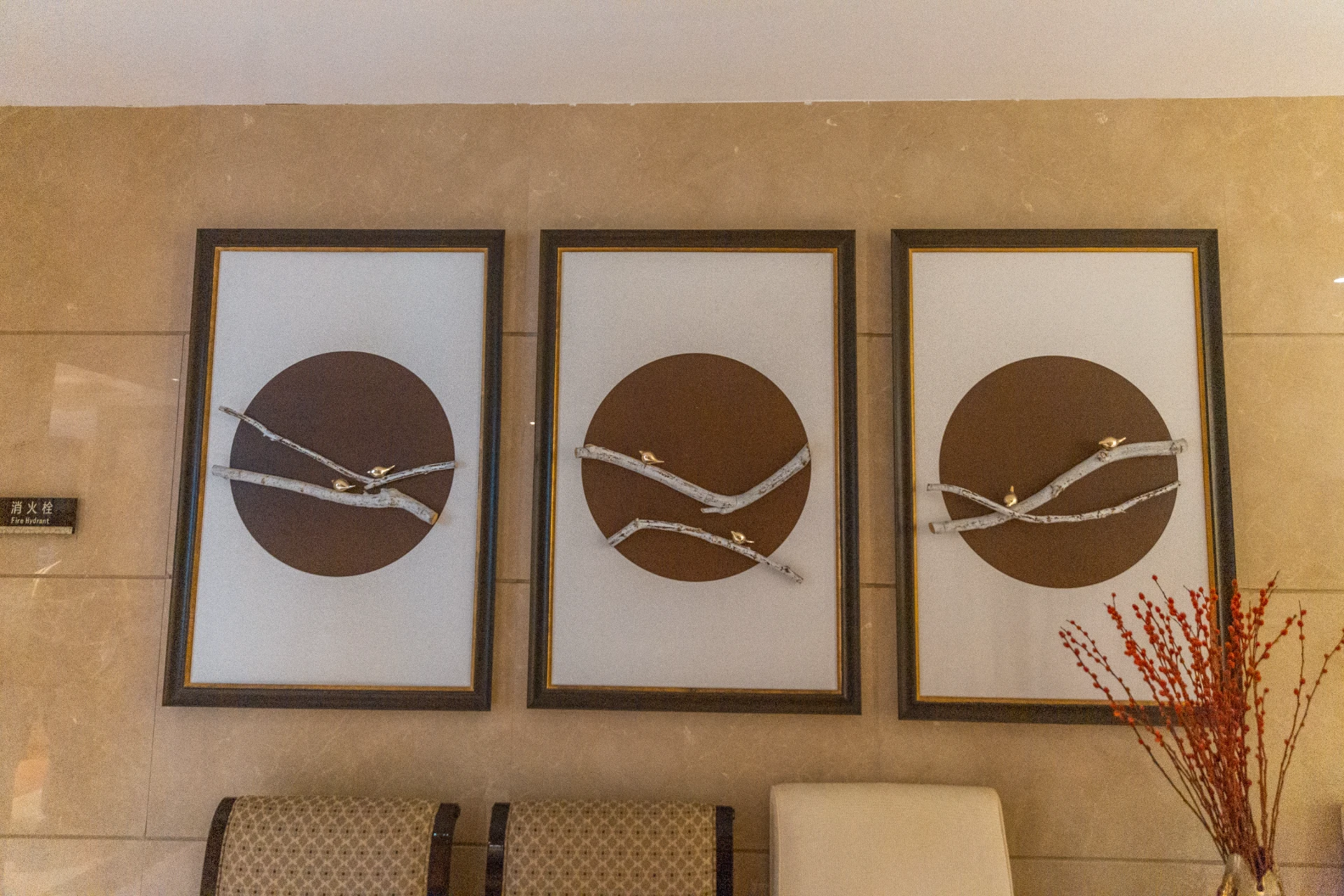
One-stop purchasing is not about low prices, but project integration.
Many people misunderstand one-stop purchasing as just middlemen raising prices.
But for hotel projects, valuable one-stop suppliers do more than just collect quotes from different factories. They take full charge of project integration.
They need to finish these key tasks:
- Sort out the full soft furnishing list based on project lists, design pictures and floor plans, and confirm all items needed for each space.
- Unify styles, materials, colors and samples for clients to avoid mismatched effects among different products.
- Arrange sampling, production, quality checks and delivery schedules among all factories internally.
- Classify goods with clear packaging and labels by room type, floor and area, making on-site checking, distribution and installation much easier.
- Take full responsibility to communicate with clients once problems happen, instead of letting clients contact each factory one by one.
This is the real value of one-stop purchasing.
It cannot guarantee the lowest price for every single product, but it greatly reduces risks and unexpected troubles from design, sampling, production to final delivery.
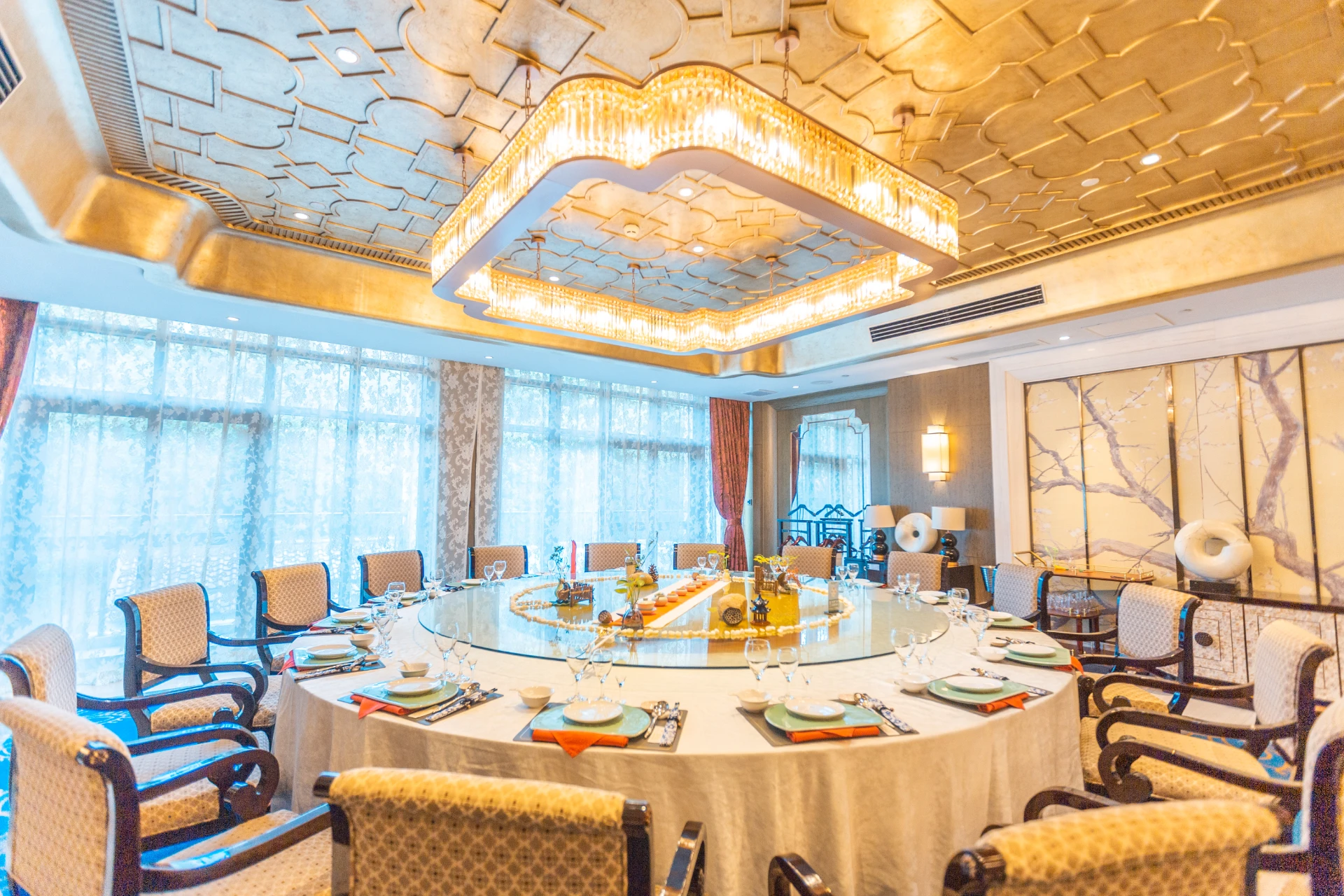
One-stop purchasing also has its downsides.
Of course, one-stop purchasing is not perfect.
Its most obvious downside is that you can hardly get the lowest price for single items.
Since one-stop suppliers take care of list sorting, sample coordination, schedule arrangement, quality inspection, packing, communication and risk control, these services will naturally add reasonable management costs.
If you just compare the price of one single product with professional factories, one-stop suppliers are usually not the cheapest.
The second downside is that they may not be the best at highly specialized goods.
A supplier that handles many different products may not know curtains better than a factory that has only made curtains for thirty years, nor know carpets better than professional carpet makers.
Their core strength is project integration, not being top-class at every single product.
The third downside is that picking the wrong supplier leads to bigger problems.
If your one-stop partner has messy internal management, poor communication, loose sample confirmation and weak integration ability, project risks will not be reduced, but become even worse.
So when you choose a one-stop supplier, do not only listen to them saying they can do everything.
You need to check if they can explain the whole project process clearly, confirm samples strictly, offer clear packing and labeling plans, finish basic inspections before shipment, and make clear who takes which responsibilities.